

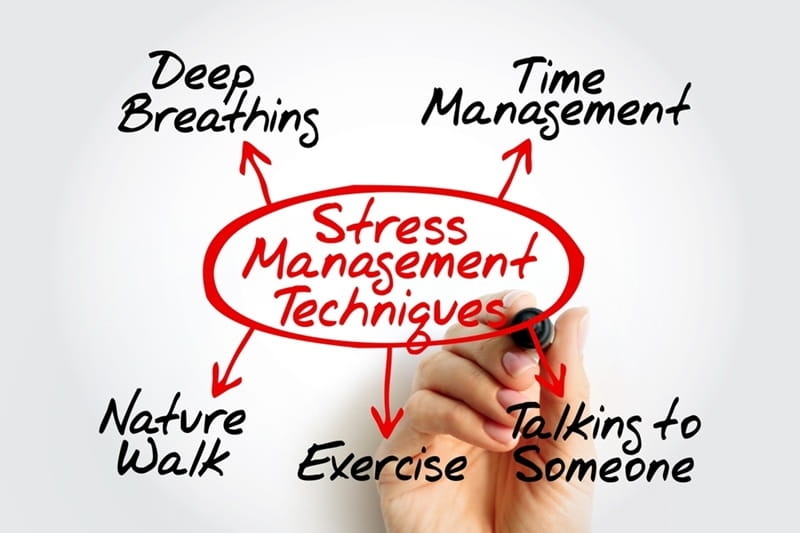
Stress is what everyone deals with at some point. Maybe it’s your job, maybe it’s family stuff, bills piling up, or just your phone buzzing non-stop. All of that stacks up, and before you know it, you’re tense, both in your head and your body. Stress management isn’t just about “relaxing.” It’s about figuring out how to handle life’s curveballs in a way that feels healthier and more doable.
This blog is all about real-world solutions. No need for huge changes or pricey gadgets. With the right attitude and a few steady habits, you’ll find handling stress starts to feel more natural.
Stress is just your body’s way of reacting to pressure. It’s supposed to get you moving when you need to solve problems or protect yourself. But when it sticks around all the time, it stops being helpful. Instead of giving you a boost, it just wears you out.
A lot of people think stress only comes from big stuff, but the little things add up fast. Maybe it’s deadlines, traffic, not sleeping enough, or just endless emails and messages. Without some kind of plan to deal with it, all these minor stressors pile up and leave you feeling mentally drained.
Catching stress early is huge. Watch out for signs like snapping at people, trouble focusing, headaches, tight muscles, or just feeling wiped out by simple stuff. Once you know how stress shows up for you, it’s way easier to get ahead of it.
Read More: Gen Z Workplace Culture 2025 Shaping New Norms and Values
Stress and motivation really go hand in hand. When stress ramps up, motivation usually tanks. Suddenly, everything feels harder, and you’re not sure where to even start. But when you get a handle on stress, you think clearly, feel more confident, and actually get stuff done.
This doesn’t mean you should try to erase every bit of stress from your life—some pressure is actually good for you. The trick is finding that sweet spot. Good stress habits keep you sharp without letting things spiral.
When you manage your stress, you make better decisions. You feel more capable, and that confidence feeds your motivation. One win leads to another, even when life gets tough.
You don’t need a ton of free time to feel a bit calmer. Tiny daily habits really add up. Here are a few things that actually work:
Slow, deep breaths tell your body to chill out. Just a few minutes can make a difference. Inhale through your nose, hold it for a couple of seconds, then let it out slowly through your mouth. It’s simple, but it works.
Staring at your screen or grinding away nonstop isn’t helping. Step away for a few minutes—stretch, take a quick walk, or just close your eyes. You’ll come back with a clearer head.
Jotting your thoughts down helps loosen that mental knot. When worries are stuck in your head, they feel heavier. Seeing them on paper makes them less intimidating.
You don’t need to crush a workout. Just walk around or do a few stretches. Gentle movement relaxes your body and lifts your mood.
Doing these things every day builds up your ability to handle greater stresses when they show up.
Daily habits are awesome, but you need stress management strategies too—especially when life throws you a curveball, or you’re under steady pressure.
Handling stress is all about finding what works for you, sticking with it, and giving yourself a little grace along the way.
Most of us think we're just too busy to deal with stress. But honestly, that's when we need stress management the most.
These tips work even better when you mix them together. Tiny changes, day after day, add up. Before you know it, your mind feels lighter.
Motivation can disappear fast when stress piles up. Here are some tips to stay mentally strong and motivated while managing stress:
Motivation isn’t always loud or exciting. Sometimes it’s just steady and quiet. Managing your stress lets that steady drive grow stronger.
Doing a little every day beats going all in once in a while. Small habits, repeated, make a bigger difference than you’d think. Stick with your stress management routines, and your body starts to handle challenges more calmly.
Consistency builds self-trust, too. When you keep showing up for yourself, your confidence gets a boost. Less stress, more motivation. It takes patience, though. You get better at managing stress by practicing, not by being perfect. Some days are easier, some aren’t—and that’s normal.
Stress is just part of life. Everyone deals with it. Still, you don’t have to let it call the shots. Build some good habits, and suddenly stress becomes something you can handle, not something you’re stuck fighting.
The trick isn’t to avoid tough situations—it’s to face them, really see them, and keep your cool while you do. That’s what makes all the difference.
Notice when you’re stressed. Pay attention to your triggers. The sooner you spot stress, the faster you can tackle it before it gets out of hand.
Some things, like deep breathing, help right away. But bigger changes come with steady practice over a few weeks.
Definitely, when you manage stress, you focus better, feel more confident, and get more done.
Yes. Most take just a few minutes and fit right into your daily routine.
This content was created by AI